From practical to desirable
Kia had a perception problem. It was known as reliable. Sensible. Budget-friendly. But for younger, style-conscious drivers, it wasn’t aspirational. It was compared — not coveted.
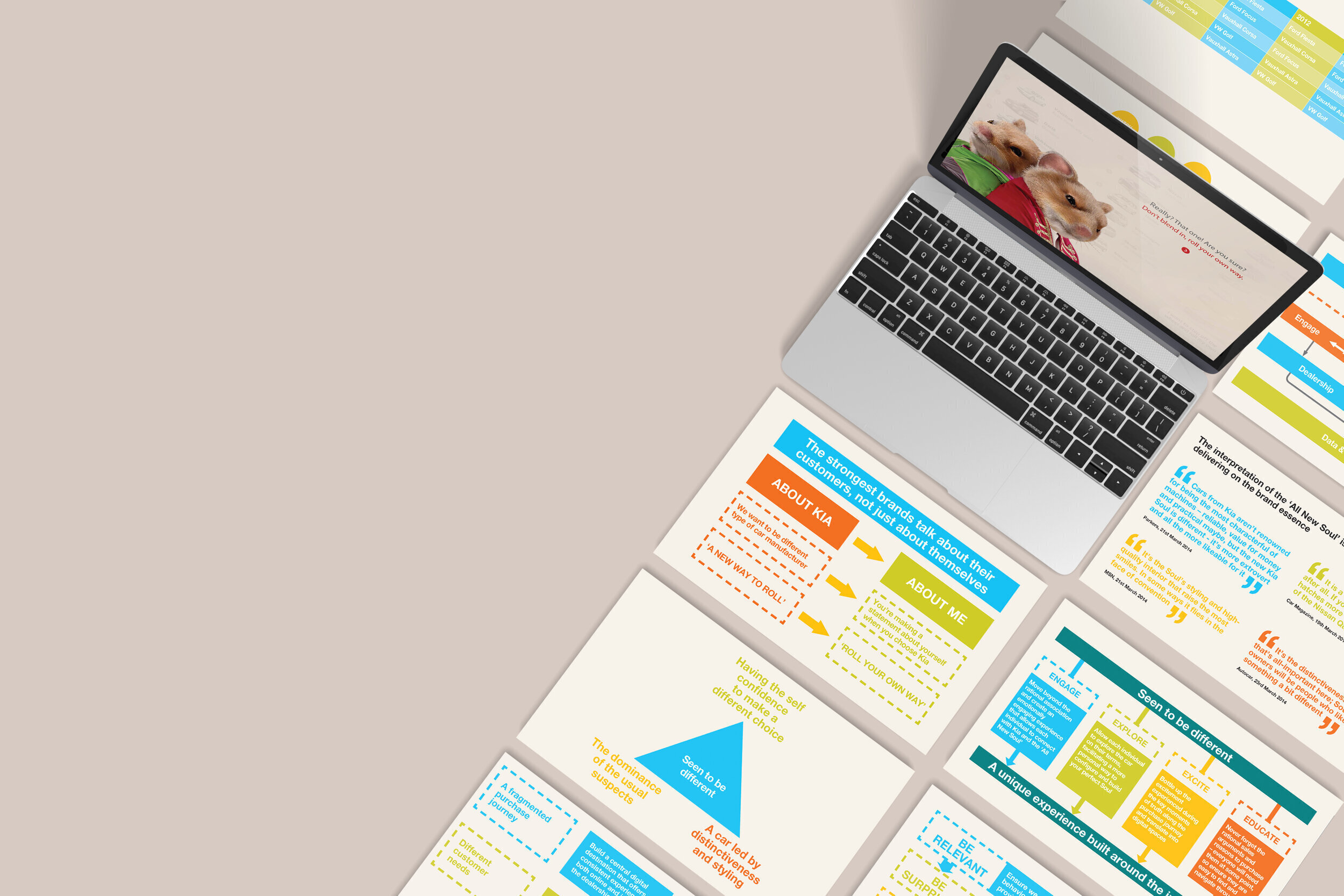
The ambition wasn’t incremental improvement. It was repositioning. Kia didn’t want to win on practicality alone. It wanted to spark desire. The question became: how do you shift perception in a category dominated by spec sheets and discount messaging?
Designing a new first impression
We believed perception wouldn’t change through advertising alone. It had to change through experience. So we set out to build a digital platform that felt fundamentally different from the old Kia. Not just visually refreshed — structurally rethought.
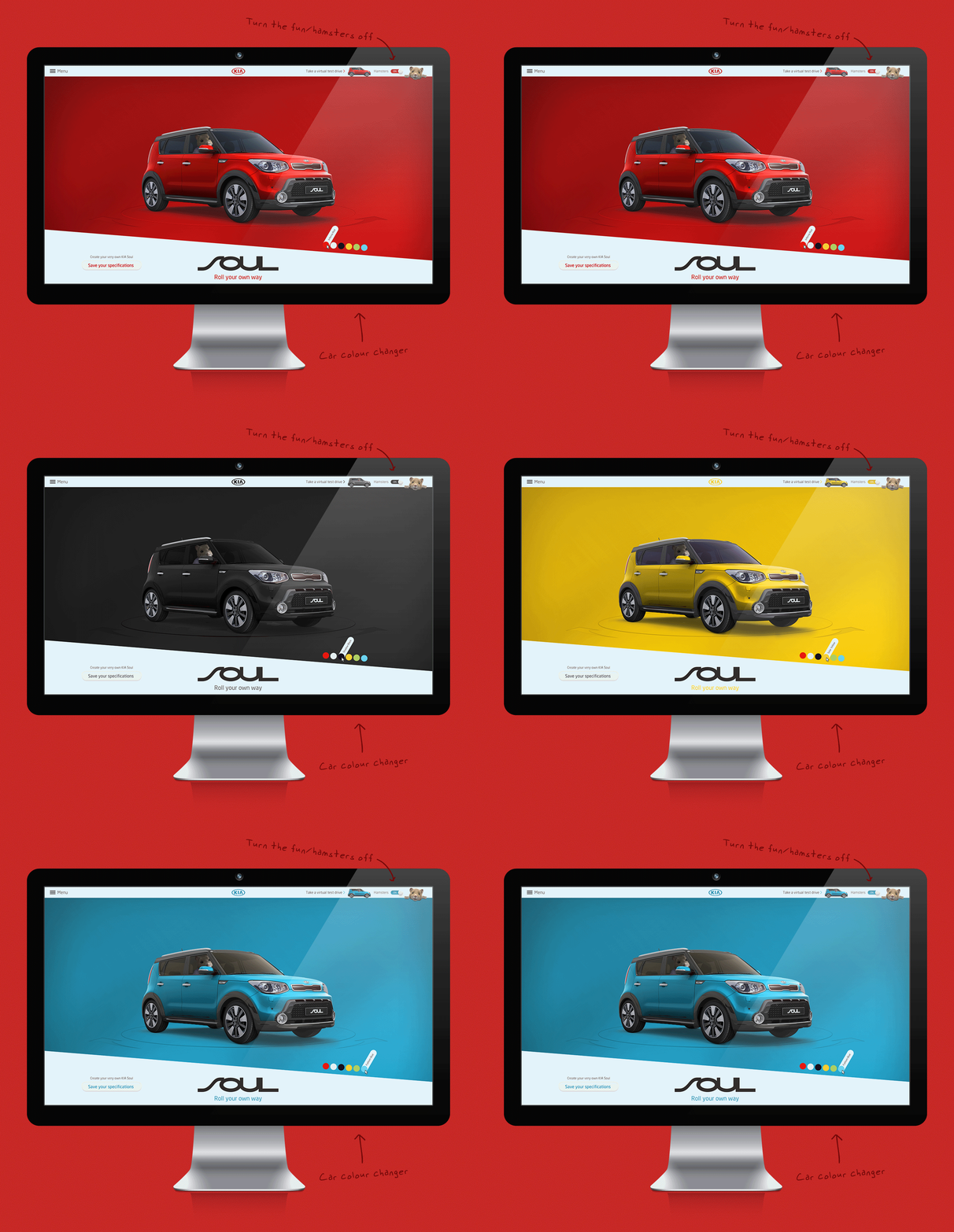
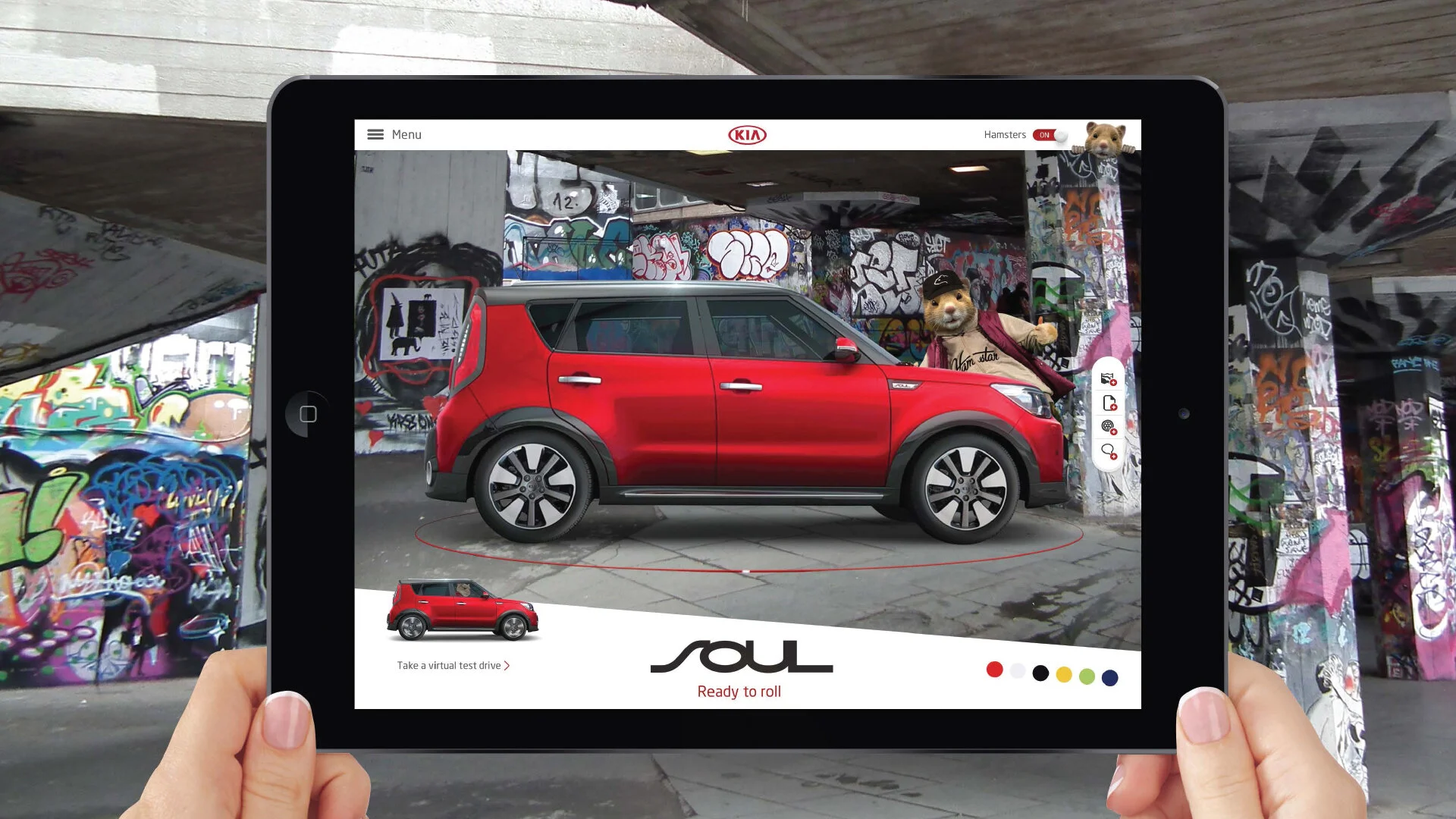
Instead of leading with technical specifications and price comparison, we designed for emotion first. Storytelling replaced sales grids. Visual hierarchy shifted from features to feeling. The product pages became more immersive, blending lifestyle, movement, and curated narratives that reflected how people actually use their cars.
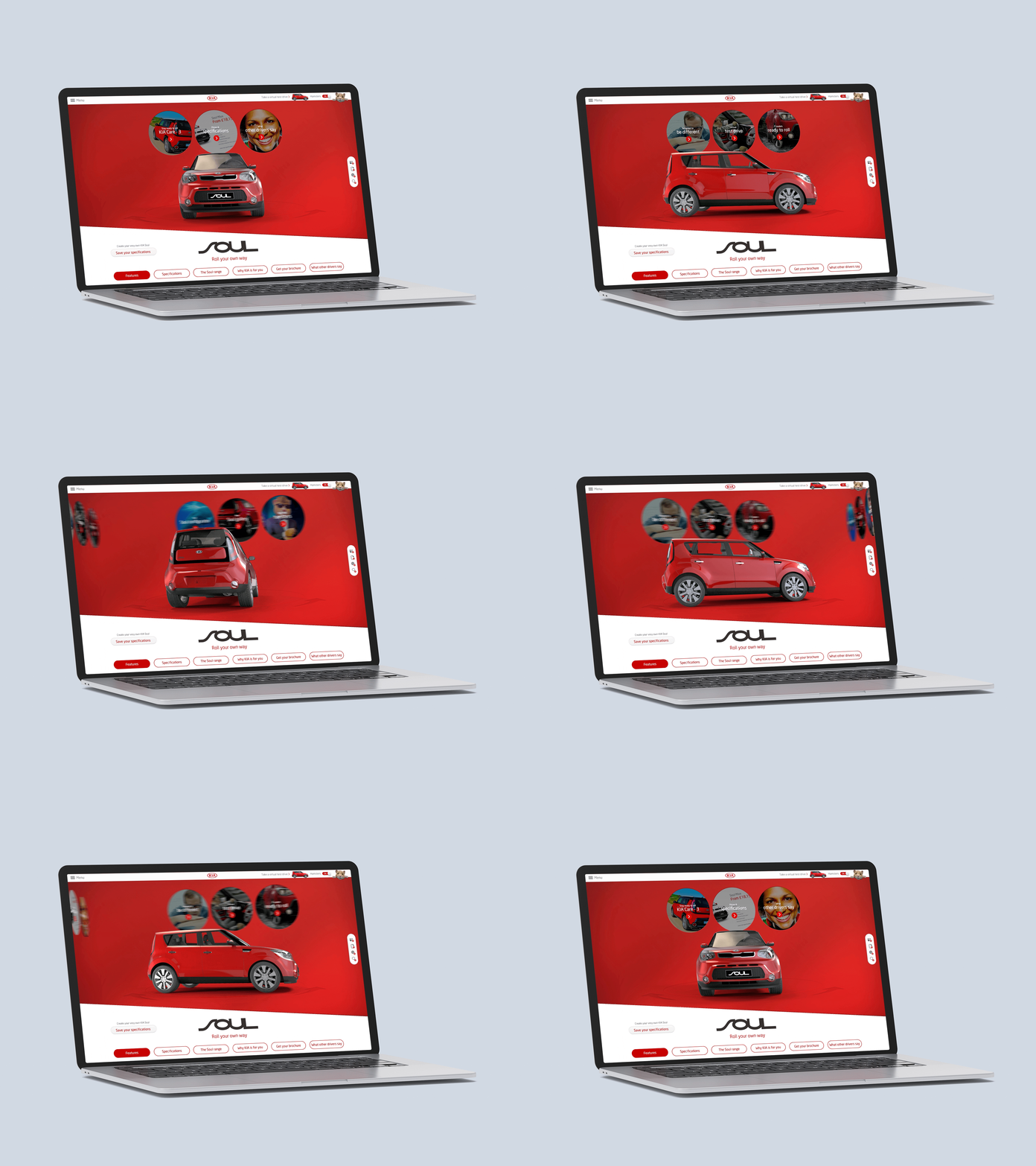
Navigation was simplified. Content became modular and dynamic, allowing the platform to flex with new launches and market shifts without losing cohesion. The design system prioritised bold imagery, expressive typography, and cinematic motion — creating an environment that felt confident rather than cautious.
The aim wasn’t to pretend Kia was something it wasn’t. It was to express the ambition already present in the product line in a way younger audiences could connect with.
Shifting who sees the brand — and how
By focusing on emotional cues and cultural relevance, the platform began to attract a different kind of attention. Engagement across digital channels increased as users spent more time exploring stories rather than scanning specs. Interest and conversion rates among younger buyers rose, signalling that the repositioning was resonating.
More importantly, brand perception began to shift. Kia started to be described as modern and desirable, not just affordable. The digital experience reframed value as intelligent choice rather than compromise.
Behind the scenes, we built a flexible design framework that could extend across campaigns and platforms — ensuring the repositioning wasn’t a one-off launch but a sustained evolution.
Why it matters
Brand perception isn’t declared. It’s experienced.If the digital journey feels transactional, the brand feels transactional. If the experience feels expressive, confident, and contemporary, perception follows. I helped lead the repositioning strategy and design framework, working hands-on across creative vision and UX delivery to ensure the new brand promise was consistently expressed. The project reinforced something fundamental: with the right digital expression, even a value-led brand can feel premium.
Not by pretending to be something else — but by showing up differently. And when perception shifts, so does growth.