Rebuilding trust through delivery
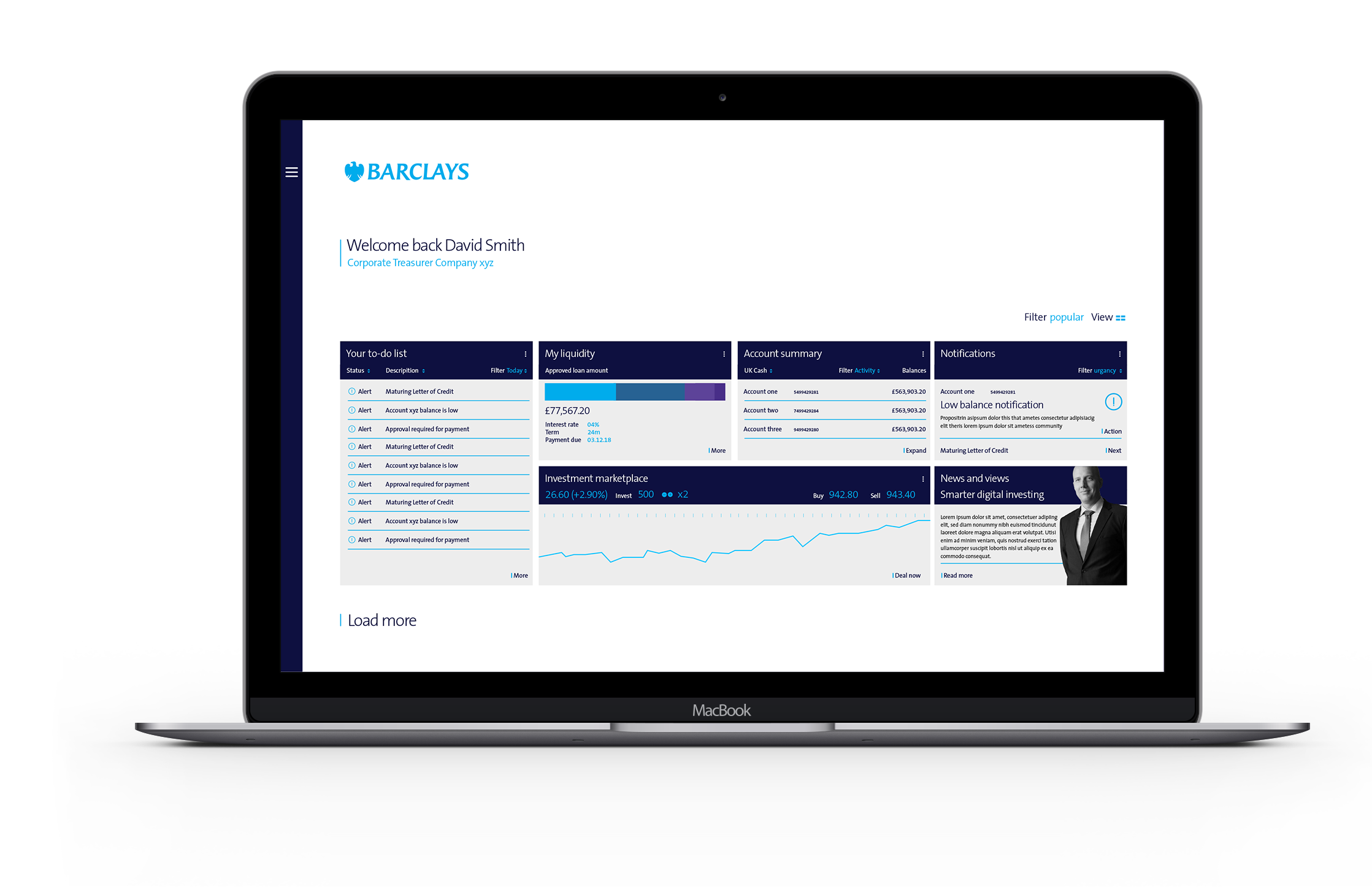
Barclays Corporate needed to transform — and quickly. Expectations were rising, competition was accelerating, and previous initiatives had stalled before proving value.
But the challenge wasn’t just defining a bold vision.It was rebuilding trust.
After years of transformation fatigue, stakeholders weren’t looking for another strategy deck. They were looking for proof. The question became: how do we demonstrate measurable value fast, build internal capability at the same time, and unlock sustained momentum?
Designing a self-funding transformation
We reframed the programme from a top-down overhaul into a self-funding journey. Instead of asking for large upfront investment, we focused on high-impact, measurable quick wins — initiatives designed to deliver immediate customer and commercial value. These early successes would generate credibility, which in turn would unlock funding for deeper systemic change.
We began by aligning leadership around a shared ambition. Through workshops and cross-functional interviews, we surfaced pain points across journeys, operations, and internal systems. Alignment wasn’t assumed — it was built.
From there, we prioritised initiatives that could create traction quickly. Each squad was given a clear mandate: deliver tangible outcomes, measure both customer and business impact, and use data to guide iteration. Outcome maps linked every initiative directly to business metrics, ensuring effort translated into evidence.
As wins accumulated, we reinvested gains into the next wave of transformation. Funding loops were tied to demonstrated ROI. Success fuelled scale.
From quick wins to systemic change
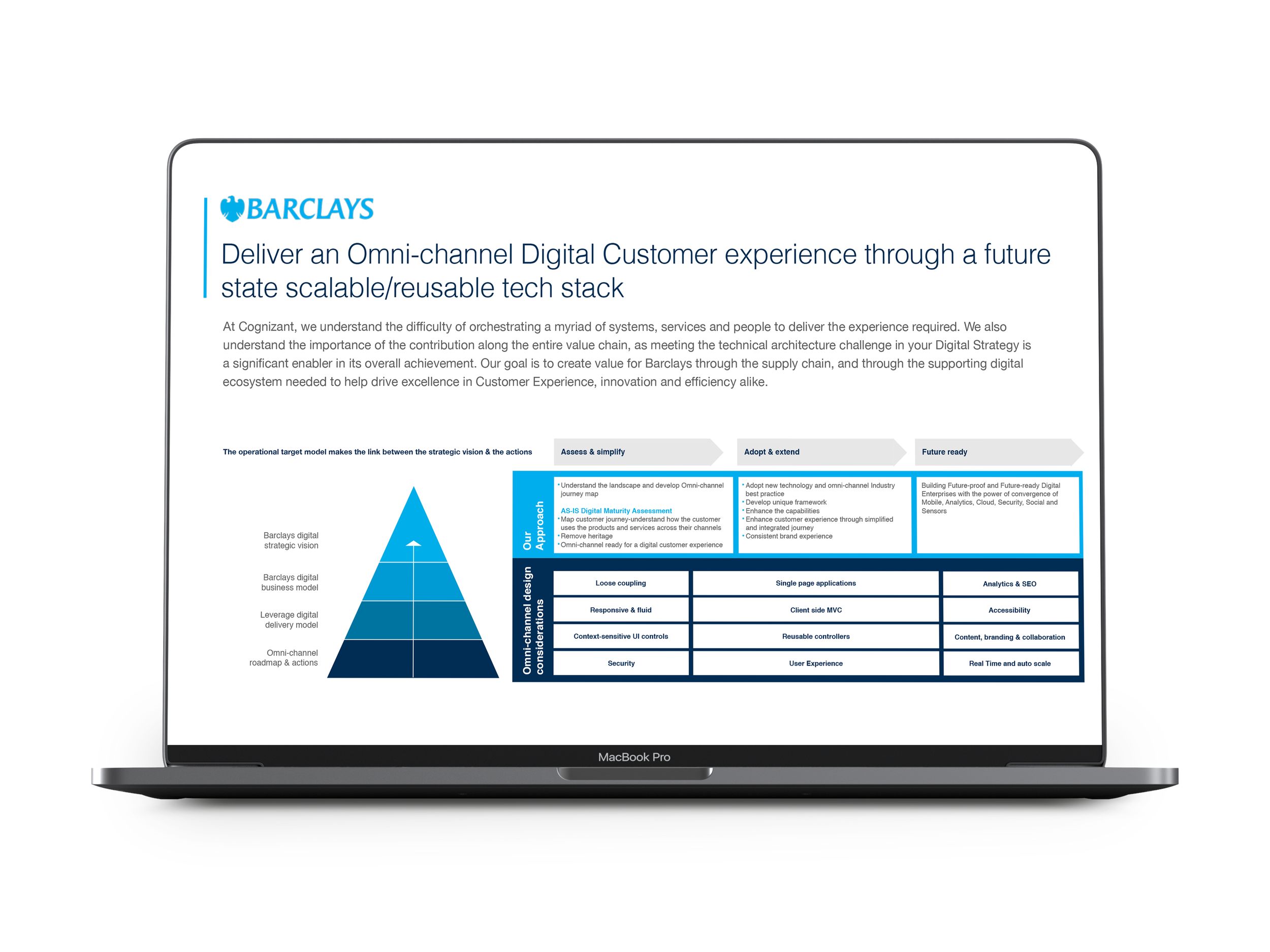
With momentum building, we expanded the programme into a comprehensive service design blueprint. It mapped the entire ecosystem — journeys, systems, touchpoints, and internal processes — creating a shared view of how the organisation needed to evolve.
This wasn’t hidden in a slide deck. The blueprint was printed at scale and hung visibly in the office. It became a living artefact — a daily reminder that transformation is continuous, not episodic.
At the same time, we focused heavily on capability-building. Embedded squads mentored internal teams, transferring knowledge and establishing new ways of working. The goal wasn’t dependency. It was durability.
The outcome
The programme began funding itself. Quick wins generated measurable business impact and improved customer experience outcomes. Stakeholder confidence returned — not because of rhetoric, but because results were visible and repeatable. What started as a credibility challenge evolved into a cultural shift toward continuous innovation and internal ownership.Transformation stopped feeling like disruption and started feeling like progress.
My role
I led stakeholder engagement, roadmap design, and service blueprinting — balancing creativity with operational structure. In a data-driven financial environment, I focused on integrating analytics early in the creative process, creating space where logic and imagination could reinforce rather than resist each other.
This project reinforced a core belief: transformation in financial services isn’t just about technology.It’s about mindset.And trust is rebuilt the same way it’s lost — through action.